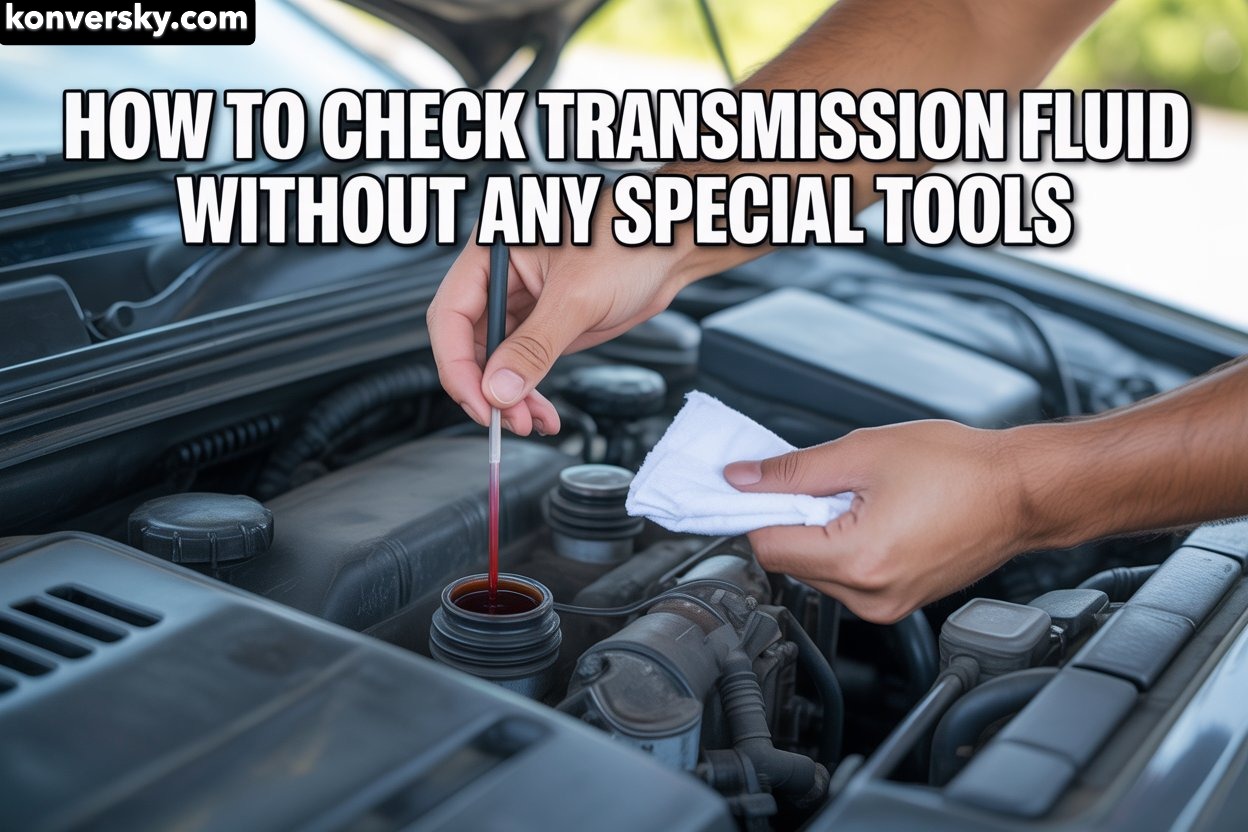
How to Check Transmission Fluid Without Any Special Tools
Introduction
Keeping your car in top condition requires regular maintenance, and knowing how to check transmission fluid is a key part of that. Transmission fluid ensures smooth gear shifts, reduces friction, and protects your vehicle’s transmission from wear. Neglecting it can lead to costly repairs and poor performance, so understanding how to check transmission fluid is essential for every car owner.
Many people assume that how to check transmission fluid requires complicated tools or a professional mechanic. In reality, it can be done easily at home with basic items like a rag or gloves. This makes the process accessible to all drivers, whether they own a new car or an older model. Regular monitoring prevents sudden breakdowns and helps you spot potential issues early.
This guide provides a clear, step-by-step approach to how to check transmission fluid safely and efficiently. By following these simple instructions, even beginners can maintain their car effectively, ensure smooth operation, and extend the vehicle’s lifespan. Taking a few minutes to check fluid can save time, money, and stress in the long run.
What Is Transmission Fluid?
Understanding how to check transmission fluid starts with knowing its role. Transmission fluid is a vital liquid that keeps your car’s transmission running smoothly. It lubricates gears, reduces friction, and prevents overheating, ensuring reliable performance. Without proper fluid, your vehicle may experience gear slipping, jerky shifts, or even costly transmission damage over time.
Automatic and manual transmissions use different types of fluid. Automatic transmission fluid works as both a lubricant and hydraulic fluid to help shift gears efficiently. Manual transmission fluid, on the other hand, is usually thicker and designed to protect gears and clutches under pressure. Knowing the type your vehicle requires is crucial when learning how to check transmission fluid properly.
The condition of your transmission fluid directly impacts how your car performs. Clean, healthy fluid promotes smooth shifting, better fuel efficiency, and a longer transmission lifespan. Conversely, old or contaminated fluid can cause poor performance, overheating, and increased wear. Regularly checking and maintaining transmission fluid ensures your vehicle stays safe, reliable, and efficient for years.
Signs You Need to Check Transmission Fluid
Your car often gives early warnings when transmission fluid needs attention. Sluggish gear shifting, hesitation, or jerky movements while driving can indicate low or dirty fluid. Strange noises like whining, clunking, or grinding may also signal that the transmission is struggling. Paying attention to these signs can prevent minor issues from turning into costly repairs.
Dashboard warning lights are another common indicator. Many vehicles have sensors that detect low fluid levels or overheating. If a warning light appears, it is important to check the transmission fluid promptly. Ignoring these alerts can reduce performance and increase the risk of serious damage.
Other signs include leaks under the vehicle or unusual smells, such as a burning odor. These problems usually mean the fluid is contaminated or overheating. By noticing and responding to these early signs, you can maintain smooth gear shifts, improve vehicle safety, and extend the lifespan of your transmission.
Tools You Actually Need
Checking transmission fluid is easier than many drivers think. You don’t need complicated equipment or expensive kits. A few basic items, like a clean rag, gloves, and a flashlight, are enough to complete the task efficiently. These simple tools help you see the fluid clearly and keep your hands clean while checking.
The rag is used to wipe the dipstick, ensuring an accurate reading. Gloves protect your hands from oil and grime, while a flashlight allows you to inspect the fluid’s color and level properly. By relying on these common items, anyone can perform a fluid check confidently at home.
Avoid assuming that professional tools are necessary. Keeping it simple saves both time and money. With these basic items, you can maintain your transmission fluid regularly and prevent major vehicle issues. Even beginners will find this method approachable and effective for long-term car care.
How to Locate the Transmission Fluid Dipstick
Finding the transmission fluid dipstick is easier than it seems. Start by opening your car’s hood and examining the engine area carefully. Most vehicles have the dipstick labeled “Transmission” or marked with a brightly colored handle. Knowing its location is essential for accurate fluid checks and smooth vehicle performance.
In many cars, the dipstick is located near the back or side of the engine. Take your time to identify it and avoid confusing it with the oil dipstick. Using a flashlight can help you see clearly and ensure you are checking the correct component.
In some modern vehicles, a traditional dipstick is not included. In such cases, refer to the owner’s manual for the fluid port location. Some models require checking fluid via the fill plug or by a professional. By following these guidelines, you can locate the dipstick confidently and maintain your transmission efficiently.
Step-by-Step Guide to Checking Transmission Fluid
Checking your transmission fluid is simple when you follow clear steps. Start by pulling out the dipstick carefully and wiping it clean with a rag. This ensures any old fluid does not affect the reading. Reinsert the dipstick fully, then pull it out again to get an accurate measurement of the fluid level.
Next, observe the fluid’s color and smell. Healthy fluid is usually clear or slightly red, while dark or burnt-smelling fluid indicates contamination. Checking these characteristics helps you determine whether the fluid is in good condition or needs replacing.
Finally, interpret the results properly. If the fluid level is low, top it up using the correct type. If it looks or smells off, schedule maintenance promptly. Following these steps consistently keeps your transmission running smoothly, prevents costly damage, and ensures long-term vehicle reliability.
Common Mistakes to Avoid
Many drivers make simple mistakes when checking transmission fluid. Overfilling or underfilling can cause gear slipping, poor performance, or even serious damage. Rushing through the process without paying attention to details often leads to inaccurate readings, which can worsen vehicle problems over time.
Another common error is checking fluid on an uneven surface or when the engine is hot. This can give misleading results and affect proper maintenance. Always ensure the car is parked on a level area and allow the engine to cool slightly before checking. These small steps make a big difference in accuracy and safety.
Ignoring early warning signs is also risky. Strange noises, dashboard alerts, or leaks should never be overlooked. Responding promptly to these indicators can prevent costly repairs and extend transmission life. By avoiding these mistakes, you maintain smooth performance, improve reliability, and protect your vehicle for the long term.
Tips for Maintaining Transmission Fluid Health
Maintaining transmission fluid is essential for smooth and efficient vehicle operation. Regularly checking fluid levels according to the manufacturer’s recommended intervals helps prevent low or dirty fluid issues. Consistent monitoring also allows early detection of potential problems, keeping your transmission in optimal condition.
Driving habits play a major role in fluid longevity. Smooth acceleration, avoiding heavy loads, and gentle braking reduce wear on the transmission. Conversely, frequent stop-and-go traffic or aggressive driving can degrade fluid faster, leading to performance issues. Simple adjustments in driving behavior can significantly extend the fluid’s life and protect transmission components.
Professional maintenance is necessary when fluid shows signs of contamination, unusual color, or a burnt smell. Scheduling routine service ensures proper fluid replacement and overall transmission health. Following these tips consistently not only improves gear performance but also prevents costly repairs, increases reliability, and keeps your vehicle running smoothly for years to come.
Conclusion
Checking transmission fluid is easier than many drivers realize. It requires no special tools, only a few basic items like a rag, gloves, and a flashlight. Understanding how to inspect fluid properly helps maintain smooth gear shifting and prevents unnecessary wear on the transmission system.
Making transmission checks a regular maintenance habit is essential for vehicle longevity. By monitoring fluid levels and observing color or smell, drivers can detect issues before they become serious. Regular inspections improve performance, reduce repair costs, and keep the vehicle operating efficiently for longer.
Finally, taking action today ensures peace of mind for tomorrow. Even a few minutes spent checking your transmission fluid can prevent costly repairs and downtime. Encourage yourself to include this simple step in your routine, and your car will remain reliable, safe, and efficient for years to come.
