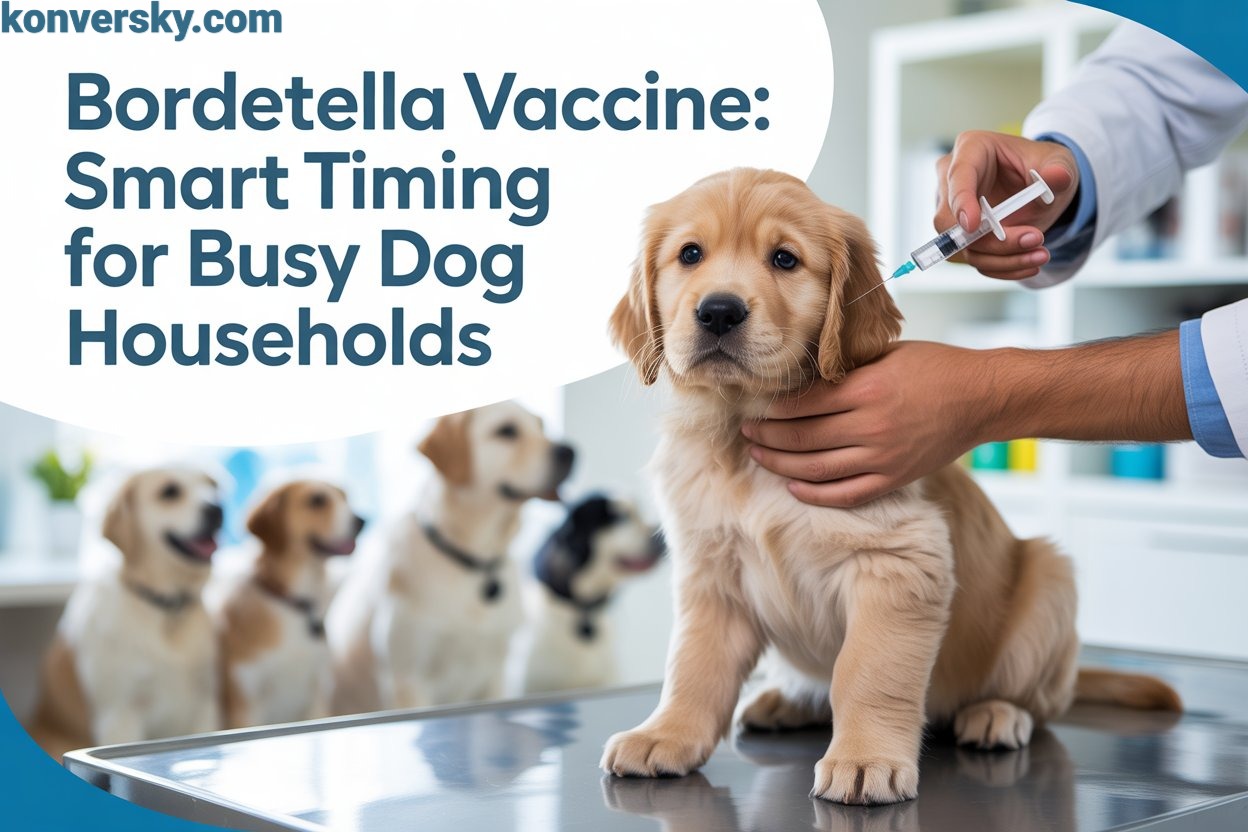
Bordetella vaccine: smart timing for busy dog households
Introduction
Bordetella, commonly known as kennel cough, is a contagious respiratory infection in dogs. It spreads easily among dogs that interact closely, such as at parks, kennels, or training classes. Common symptoms include coughing, sneezing, mild fever, and in some cases, more serious respiratory issues. Prompt awareness and prevention are essential to keep dogs safe and healthy.
Vaccination is the most effective way to protect dogs from Bordetella. It is especially crucial for dogs that live in busy households or socialize frequently with other dogs. Timely vaccination helps reduce the risk of infection and ensures pets remain active and playful without interruptions from illness.
This article focuses on smart timing strategies for administering the Bordetella vaccine. We will guide dog owners on how to plan initial doses, schedule boosters, and fit vaccinations into a hectic routine. By following these practical tips, busy pet owners can protect their dogs efficiently while maintaining a stress-free schedule.
What is Bordetella and Why Vaccination Matters
Bordetella, commonly known as kennel cough, is a contagious bacterial infection in dogs. It mainly affects the respiratory system and spreads easily through coughing, sneezing, or close contact with infected dogs. Puppies, older dogs, and pets with weaker immune systems are most vulnerable to this illness.
If dogs remain unvaccinated, they may develop persistent coughing, sneezing, runny noses, and mild fever. In severe cases, the infection can progress to pneumonia or other serious respiratory problems. Dogs that interact frequently with other pets, such as at parks, daycare, or boarding facilities, face a higher risk of catching Bordetella. Without vaccination, the illness can disrupt a dog’s routine and create stress for owners.
Vaccination against Bordetella is a highly effective way to protect dogs. It lowers the chance of infection, reduces the severity of symptoms, and shortens recovery time. Vaccinated dogs are also less likely to spread the infection to others. Keeping up with vaccination schedules ensures pets remain healthy, active, and able to enjoy social interactions safely.
Who Should Consider the Bordetella Vaccine
Dogs that spend time in social environments are at higher risk for Bordetella infection. This includes pets that visit dog parks, attend training classes, or stay in boarding kennels. Close contact with other dogs allows the bacteria to spread easily.
Puppies need extra care because their immune systems are still developing. Adult dogs with health issues or weakened immunity also benefit from vaccination. The timing and type of vaccine can vary depending on the dog’s age and overall health.
Households with multiple dogs or busy schedules should strongly consider the vaccine. Frequent travel, daycare, or grooming appointments increase exposure to the infection. Vaccinating in these situations protects all pets, reduces the chance of outbreaks, and helps dogs stay healthy and active.
Understanding the Timing of the Bordetella Vaccine
The Bordetella vaccine follows a standard schedule to protect dogs effectively. Puppies typically receive their first dose at six to eight weeks of age. A booster is given a few weeks later, and adult dogs require yearly vaccinations to maintain immunity.
Age, lifestyle, and health status affect the timing of the vaccine. Puppies and senior dogs may need special adjustments for safety. Dogs that socialize frequently, visit parks, or attend daycare benefit from strict adherence to booster schedules. Pets with underlying health conditions should follow veterinary guidance for proper timing.
Busy households can manage vaccinations efficiently with simple planning. Setting reminders, keeping a digital or written calendar, and combining appointments help maintain the schedule. Timely vaccination protects dogs from infection, reduces the spread of disease, and ensures pets remain healthy and active. Following these strategies makes vaccination stress-free and effective.
Types of Bordetella Vaccines
Bordetella vaccines are available in two main forms: injectable and nasal spray. Injectable vaccines are given under the skin, while nasal sprays are administered directly into the nose. Both types protect dogs against kennel cough but work in slightly different ways.
Each type has its pros and cons. Injectable vaccines provide longer-lasting immunity but take longer to show effect. Nasal sprays act faster and may be easier for dogs afraid of needles, but their protection is often shorter. Mild side effects, like soreness or sneezing, can occur with either form but usually resolve quickly.
Choosing the right vaccine depends on a dog’s lifestyle and household environment. Dogs that attend parks, daycare, or training classes may benefit from nasal vaccines for rapid protection. Puppies, older dogs, or pets with health concerns may respond better to injectable vaccines. Consulting a veterinarian ensures the best choice for each dog’s individual needs and schedule.
Smart Scheduling Strategies for Busy Dog Owners
Keeping up with your dog’s vaccinations can feel challenging in a busy household. Aligning vet visits with your family’s schedule helps prevent missed appointments. Choose times that fit work, errands, and daily routines for smoother planning.
Combining vaccines or check-ups into a single visit saves time and effort. Coordinating multiple pets’ appointments on the same day reduces travel and waiting times. This approach ensures all pets remain protected without repeated trips to the clinic.
Using reminders and digital tools makes scheduling easier and reliable. Calendar alerts, apps, or written logs help track boosters and follow-ups. Consistent tracking prevents lapses in protection and keeps dogs healthy. Planning ahead with these strategies ensures vaccination remains stress-free, safe, and convenient for busy dog owners.
Common Questions About Bordetella Vaccine Timing
Dogs should not receive the Bordetella vaccine while sick or recovering from illness. Their immune system may not respond properly, and side effects could increase. Always consult a veterinarian if your dog is unwell before vaccination.
It is recommended to give the vaccine several days before social interactions with other dogs. This timing allows the immune system to develop adequate protection. Proper planning ensures dogs are safe during visits to parks, daycare, or training classes.
Boosters are usually scheduled annually for adult dogs to maintain immunity. Puppies may need additional doses to complete their initial protection series. Following a consistent vaccination schedule reduces the risk of infection and keeps dogs healthy, active, and ready for social activities.
Conclusion
Bordetella vaccination is crucial for protecting dogs from kennel cough. Proper timing ensures their immune system builds strong and lasting protection. Dogs that receive vaccines on schedule are less likely to get sick and spread the infection.
Planning vaccinations in busy households makes the process easier and more effective. Aligning appointments with daily routines, combining visits, and keeping reminders helps prevent missed doses. These small steps save time and reduce stress for both dogs and owners.
Consulting a veterinarian is always recommended for personalized guidance. Each dog’s age, health, and lifestyle may require adjustments to the schedule. Following expert advice ensures optimal protection, keeps pets healthy and active, and provides peace of mind for dog owners.
Optional CTA (Call-to-Action)
Take proactive steps to keep your dog safe from Bordetella. Booking a vet appointment ensures vaccines are administered on time. Regular check-ups also help identify potential health concerns early.
Creating a vaccination calendar helps track boosters and follow-up visits. Digital tools, apps, or simple written logs make scheduling easy and organized. Staying on top of vaccination schedules prevents missed doses and gaps in protection.
Acting ahead benefits both dogs and owners. Vaccinated dogs can safely attend parks, daycare, or training classes. Schedule your vet visit today and maintain a vaccination calendar to protect your dog and enjoy peace of mind.
