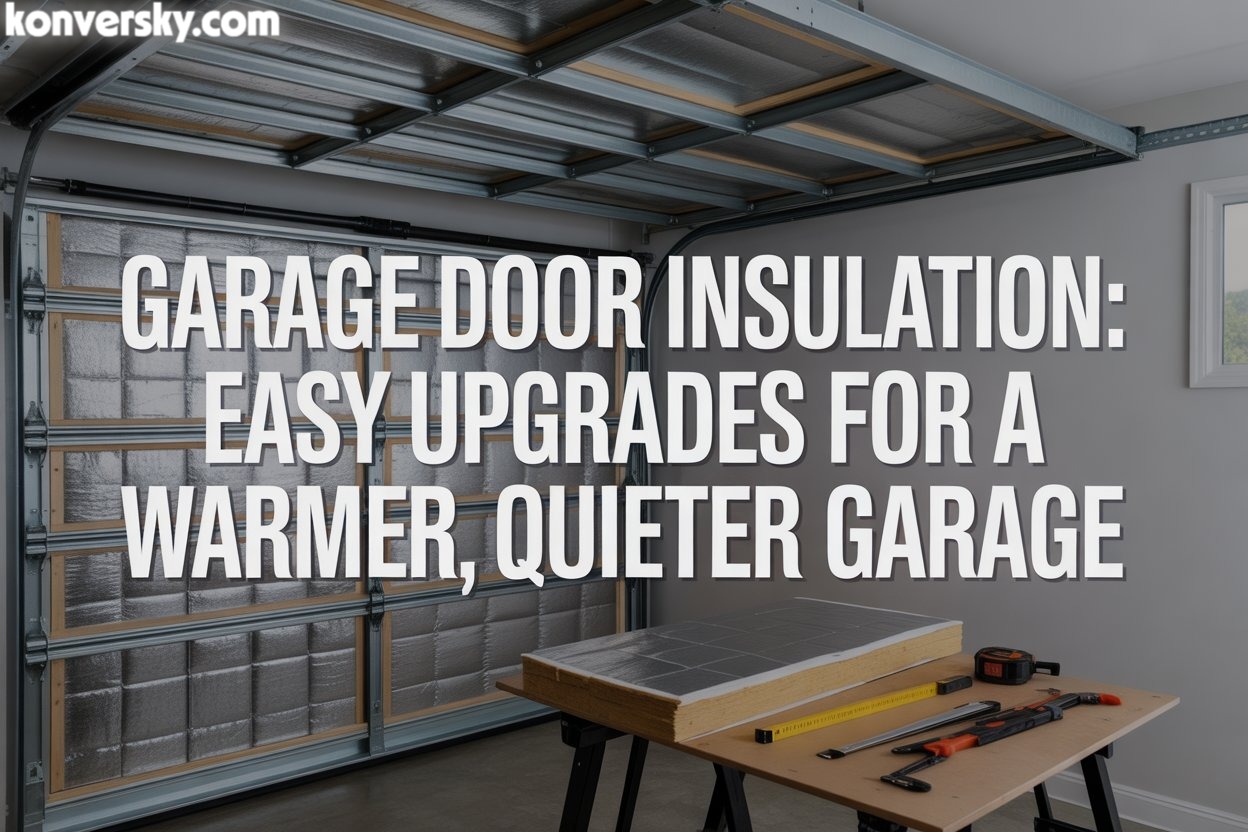
Garage door insulation: easy upgrades for a warmer, quieter garage
Introduction
Garages often lose heat during winter and allow unwanted noise from the outside. This makes the space uncomfortable for storage, hobbies, or occasional work. Poor insulation can also affect the energy efficiency of homes with attached garages. Cold drafts or heat loss from the garage may increase heating or cooling costs throughout the year. Many homeowners overlook this problem, thinking insulation is complicated or expensive.
Proper garage door insulation can solve these issues effectively. It helps maintain a consistent temperature and reduces drafts. It also minimizes noise from traffic, neighbors, or household appliances. A well-insulated garage creates a comfortable environment for different uses, from a workshop to a play area. Additionally, insulating the garage can improve the overall value of your home. Buyers often notice energy-efficient improvements, and a quiet, well-maintained garage can make a property more appealing.
The best part is that upgrading your garage door insulation does not have to be complicated. This article focuses on practical and easy-to-follow solutions that anyone can implement. You will learn how to select the right materials, seal gaps, and install insulation effectively. By applying these tips, your garage will become warmer, quieter, and more functional throughout the year. With simple steps and clear guidance, creating a comfortable garage has never been easier.
Understanding Garage Door Insulation
Garage door insulation plays a crucial role in keeping your garage comfortable and energy-efficient. Without proper insulation, garages often become too cold in winter and too hot in summer. Noise from traffic, neighbors, or household appliances can also penetrate easily. Poor insulation not only affects comfort but can increase energy bills, especially if your garage is attached to the home.
Foam boards are lightweight, affordable, and simple to install. Reflective foil helps block radiant heat, making it ideal for warmer climates. Fiberglass panels provide strong thermal protection but require careful handling and safety measures. Spray foam expands to fill gaps, sealing cracks and preventing air leaks. Each material has distinct advantages, and the choice depends on your garage’s design, budget, and climate conditions.
Insulation performance is measured using R-values, which indicate how well a material resists heat flow. Higher R-values provide better thermal protection. Many garages are poorly insulated due to thin doors, gaps, or uninsulated panels. These issues allow heat to escape, let in noise, and reduce energy efficiency. By learning the basics of garage door insulation, homeowners can choose the right materials and address common problems. Even simple upgrades can make a garage warmer, quieter, and more functional throughout the year.
Benefits of Insulating Your Garage Door
Insulating your garage door provides effective temperature control throughout the year. During winter, it keeps the space warmer and prevents cold drafts from entering. In summer, insulation blocks heat from penetrating, keeping the garage cooler. This consistent temperature makes the garage more comfortable for work, hobbies, or storage. It also protects tools, equipment, and other stored items from extreme temperatures, extending their lifespan.
Noise reduction is another important benefit of garage door insulation. It helps minimize sounds from traffic, neighbors, or household appliances. A quieter garage creates a peaceful environment, ideal for workshops, exercise areas, or hobby spaces. Insulation dampens vibrations and reduces echo, making the garage a more pleasant place to spend time. This improved sound control also benefits attached rooms, reducing noise transfer into the main living areas of your home.
In addition to comfort and quiet, garage insulation can lead to significant energy savings. For garages connected to your home, reducing heat loss or gain can lower heating and cooling costs. Insulation also enhances usability, transforming the garage into a functional space for storage, projects, or recreational activities. Even small upgrades can make a noticeable difference, creating a garage that is warmer, quieter, and more energy-efficient. By investing in proper insulation, homeowners can enjoy both immediate comfort and long-term value, improving their overall home experience.
Easy Upgrades for a Warmer, Quieter Garage
One of the most effective ways to improve your garage is by installing DIY insulation panels. Foam or fiberglass sheets can be easily cut to fit each door panel. Attaching them directly reduces heat loss, blocks drafts, and provides soundproofing. This method is cost-effective and practical for most homeowners. Even beginners can achieve good results with basic tools and careful measurement.
Weatherstripping and sealing gaps around the door edges is another essential upgrade. Small cracks allow cold air, heat, and noise to enter. Adding weatherstrips or sealant creates a tight barrier that improves comfort and energy efficiency. In hot climates, reflective or radiant barriers can also be installed. These barriers reflect sunlight and reduce heat transfer, keeping the garage cooler during summer. Combined with proper sealing, they provide noticeable temperature control and enhanced comfort.
Garage door bottom seals prevent cold air, dust, and pests from entering beneath the door. Another option is adding mass to the door by layering materials such as plywood or additional foam. This increases thermal resistance and helps dampen noise. Together, these upgrades transform an ordinary garage into a warmer, quieter, and more functional space. Whether for storage, hobbies, or workshops, even small improvements can make a significant difference. Taking the time to upgrade insulation ensures a comfortable and energy-efficient garage all year long.
Choosing the Right Insulation for Your Garage Door
Selecting the right insulation for your garage door requires careful planning. Budget is a major factor, as some materials are more expensive than others. Door type matters too because certain insulation fits better on metal, wooden, or composite doors. Climate also plays a role: cold regions need higher R-values, while hot areas benefit from reflective barriers. Finally, consider whether to install the insulation yourself or hire a professional. Evaluating these factors ensures the best results for comfort and energy efficiency.
There are several popular insulation options for garage doors. Foam boards are lightweight, affordable, and easy to install, making them ideal for DIY projects. Fiberglass panels offer strong thermal protection but require careful handling and safety equipment. Reflective foil helps block radiant heat in hot climates but offers limited soundproofing. Spray foam expands to fill gaps and creates an airtight seal, though it may require professional installation. Each option has distinct benefits depending on your garage’s needs and your budget.
Comparing these insulation types helps homeowners make informed decisions. Foam boards are low-cost and simple but less durable over time. Fiberglass provides excellent thermal performance but can be messy to work with. Reflective foil is effective against heat but does not block noise. Spray foam delivers superior insulation but is more expensive. By weighing these pros and cons, you can select insulation that keeps your garage warmer, quieter, and energy-efficient year-round, while also fitting your budget and installation preferences.
Step-by-Step Installation Tips
Begin by preparing your garage door before adding insulation. Start with accurate measurements for each door panel to ensure a perfect fit. Gather all necessary tools, including a utility knife, adhesive, tape, and safety equipment. Clear the workspace of any obstacles, and make sure the garage door opens and closes smoothly. Proper preparation helps avoid mistakes and makes installation faster and safer.
Next, move on to installing the insulation panels. Cut foam or fiberglass sheets to match the door sections precisely. Attach each panel using adhesive, tape, or fasteners based on the material. Begin from the top and work downward to maintain alignment and avoid gaps. Press each panel firmly so it sits flush with the door. Beginners should focus on accuracy and avoid rushing, as proper placement ensures maximum insulation efficiency and noise reduction.
Finally, test the garage door and finish the installation. Inspect all edges and seams for gaps, and fill any openings with extra insulation or sealant. Ensure the panels fit snugly without blocking the door’s movement. Regular maintenance, such as checking for loose panels or wear, keeps insulation effective for years. Following these steps creates a garage that is warmer, quieter, and more energy-efficient, improving comfort and functionality for daily use.
Common Mistakes to Avoid
One common mistake is using the wrong insulation type for your climate. Materials meant for cold regions may not perform well in hot areas. Using the wrong insulation reduces energy efficiency and can raise heating or cooling costs. It is important to check the R-value and choose a material suited to your local weather. Proper selection ensures the garage remains comfortable throughout the year and prevents unnecessary expenses.
Ignoring door movement and hardware compatibility is another frequent issue. Some insulation panels can interfere with tracks, springs, or sensors if installed incorrectly. This can prevent smooth operation or even cause damage to the garage door system. Always make sure insulation fits correctly and does not block any moving parts. Taking time to measure panels and plan installation helps avoid these problems and ensures safety while maintaining proper door function.
Skipping edge seals or weatherstripping is also a significant oversight. Gaps around the garage door allow drafts, noise, and pests to enter, lowering comfort and performance. Proper sealing maximizes insulation effectiveness and improves energy efficiency. Even small gaps can reduce the benefits of insulation, so attention to detail is essential. By avoiding these mistakes, homeowners can create a warmer, quieter, and more energy-efficient garage, while also extending the lifespan of their insulation and protecting their investment.
Maintenance and Longevity Tips
Regular inspection is essential to maintain your garage door insulation over time. Check all panels at least once a year for signs of wear, cracks, or loose sections. Pay extra attention to corners, edges, and areas near hardware, as these spots often experience the most stress. Catching minor problems early allows for quick fixes before they develop into larger, costlier issues. Routine inspections are simple but highly effective in extending insulation life.
Cleaning and repairing insulation also play a critical role. Use a soft brush or cloth to remove dust and debris from panels, which helps prevent deterioration. Replace any sections that are torn, compressed, or have become wet. Proper cleaning and timely repairs keep the insulation functioning efficiently, reducing drafts and noise while improving energy savings. Even small maintenance efforts can significantly extend the life and performance of your insulation.
To ensure long-term effectiveness, follow additional care tips. Check that the garage door opens and closes smoothly, without rubbing or bending insulation panels. Reapply weatherstripping or sealant wherever gaps appear. Avoid leaning heavy objects against the door or insulation, and maintain proper ventilation in the garage to prevent moisture buildup. Consistent care and attention keep the garage warmer, quieter, and energy-efficient year-round. By following these steps, homeowners protect their investment while enjoying a comfortable, functional garage in every season.
Cost vs. Value Analysis
The cost of garage door insulation depends on material and installation choice. Foam boards and reflective foil are usually low-cost and easy for DIY installation. Fiberglass panels offer better thermal protection but often require professional help. Spray foam delivers the best insulation but comes at a higher price. Your choice should balance budget, garage type, and long-term comfort needs.
Installing insulation provides noticeable energy savings and improved comfort. A properly insulated garage reduces heat loss in winter and blocks heat in summer. This helps lower heating and cooling bills, especially for attached garages. In addition, insulation minimizes noise from outside, creating a quieter space for storage, hobbies, or workshops. Over time, the savings and comfort improvements can offset initial installation costs, making insulation a practical investment for homeowners.
Even small insulation upgrades can add value to your home by improving energy efficiency and overall comfort. Well-maintained insulation can pay for itself within a few years through lower energy bills and reduced strain on HVAC systems. By evaluating both upfront costs and long-term benefits, homeowners can make informed decisions that enhance comfort, reduce energy expenses, and increase the overall value of their property. Investing in proper garage door insulation is both practical and financially wise.
Conclusion
Proper garage door insulation offers many benefits for homeowners. It keeps the garage warmer during winter and cooler in summer, creating a comfortable environment year-round. Insulation also reduces outside noise, improves energy efficiency, and increases usability. With better temperature control and reduced drafts, the garage becomes suitable for storage, hobbies, or even workshops. These advantages make insulation a practical upgrade that enhances both comfort and functionality.
Taking simple, practical steps can deliver significant improvements without much effort. Installing foam boards, fiberglass panels, or reflective barriers is straightforward for most DIY enthusiasts. Adding weatherstripping, sealing gaps, and upgrading the garage door bottom seal further improves insulation performance. Even small changes can lower energy costs, block drafts, and reduce unwanted noise. Consistently maintaining and checking insulation ensures it remains effective for many years, protecting your investment and maximizing benefits.
Now is the perfect time to take action. Inspect your garage door and plan easy upgrades based on your needs. Measure panels carefully, check for gaps, and select insulation materials that fit your climate and budget. By making these upgrades, you can enjoy a warmer, quieter, and more energy-efficient garage throughout the year. Acting today not only improves comfort but also adds long-term value to your home. With proper insulation, your garage becomes a functional, energy-efficient, and enjoyable space for everyone.
