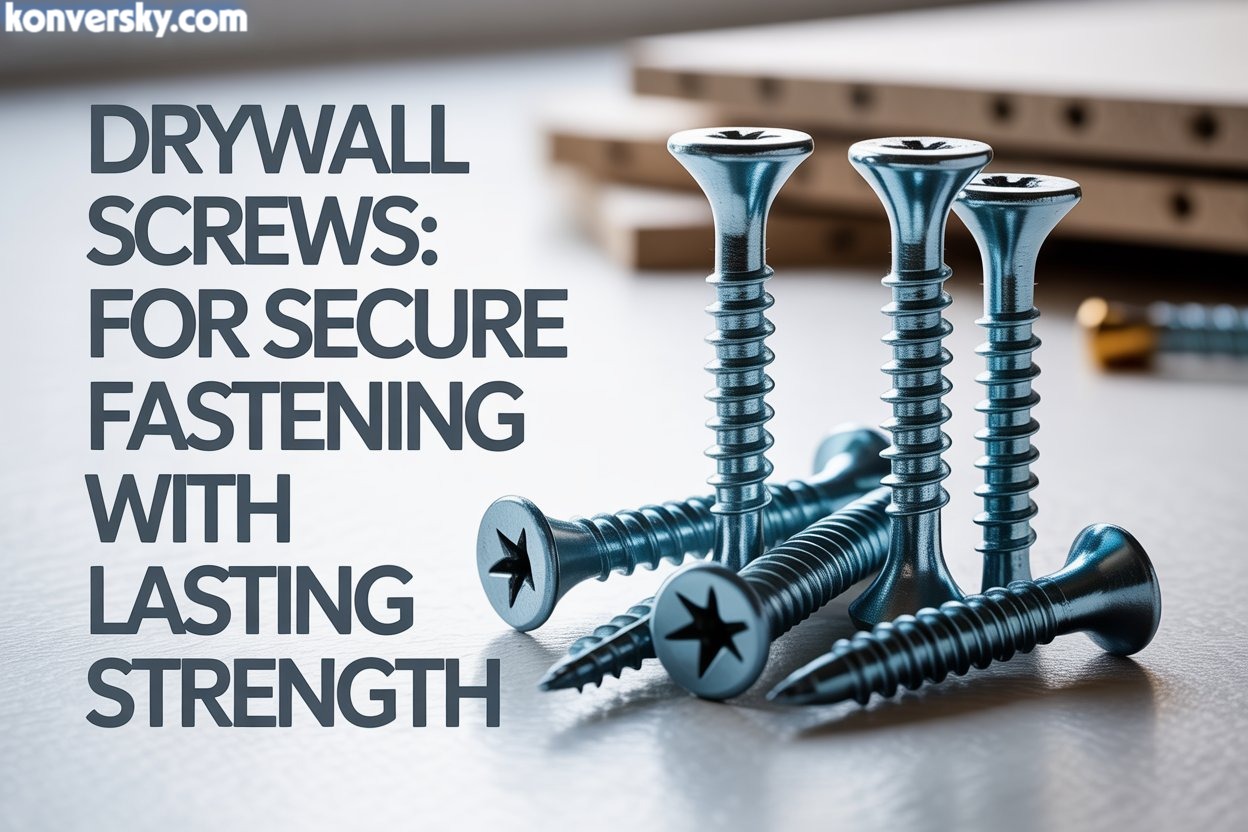
Drywall screws: for secure fastening with lasting strength
Introduction
Drywall screws are small yet vital components in modern construction. They are designed to fasten drywall sheets securely to wall studs or ceiling frames, ensuring stability and support. Without the right screws, walls may sag, crack, or even weaken over time, which can lead to costly repairs. Choosing high-quality screws ensures secure fastening and lasting strength. These screws help maintain even surfaces, prevent shifting, and keep installations safe and durable. Proper selection is crucial whether you are working on a home renovation or a large construction project.
Using the correct drywall screws also saves time and reduces overall costs. Selecting the wrong type, size, or material can result in wasted effort, dents, or holes that affect the wall’s appearance. Even minor mistakes can turn into major problems that require repairs or replacements. By understanding how drywall screws function and why they matter, builders and DIY enthusiasts can avoid these common pitfalls. Using the right fasteners improves workflow efficiency and ensures better structural results.
The proper drywall screws make any project smoother and more effective. They provide firm support while keeping walls looking neat and polished. Investing in suitable screws prevents installation headaches and guarantees long-term durability. Whether for small DIY tasks or professional construction, the correct fasteners play a critical role in creating strong, lasting walls. Selecting the right screws is not just a detail—it is the foundation of a reliable and professional result.
What Are Drywall Screws?
Drywall screws are specialized fasteners designed to attach drywall sheets securely to wall studs or ceiling frames. They feature sharp tips that easily penetrate wood or metal without splitting the material. The threads are carefully designed to hold drywall firmly in place, preventing sagging or cracking over time. Unlike standard wood screws, drywall screws are thinner and longer, offering the perfect balance of strength and flexibility. They are small but essential for ensuring walls remain stable and smooth.
Drywall screws differ from wood screws and sheet metal screws in important ways. Wood screws have wider threads to grip dense timber, while sheet metal screws are harder and stiffer, intended to pierce metal surfaces. Drywall screws, on the other hand, are optimized to hold wall panels without damaging the paper surface. Many have bugle-shaped heads, which allow them to sit flush with the wall. This feature ensures a smooth, professional finish and prevents tearing of the drywall surface during installation. Choosing the right screw type can prevent common installation problems and save time and effort.
Most drywall screws are made from durable steel, and many come with protective coatings like black phosphate or zinc. These coatings help resist rust and corrosion, especially in humid or damp areas. Using coated screws ensures long-lasting performance and reduces the risk of wall damage. By understanding their design, materials, and differences from other screws, you can select the most suitable fasteners. Proper drywall screws create strong, secure, and lasting walls, making every project more reliable and efficient.
Types of Drywall Screws
Fine-thread screws are ideal for metal studs, providing a firm grip without damaging thin surfaces. Coarse-thread screws are best suited for wood studs, as their wider threads hold the wood securely and prevent loosening. Choosing between fine and coarse threads depends on the materials being used. The correct choice ensures walls remain stable, strong, and smooth. Understanding these differences helps both DIYers and professionals achieve better results with fewer mistakes.
Self-drilling screws are another type, featuring sharp tips that pierce surfaces without pre-drilling holes. They save time and reduce effort, making installations faster and more efficient. Standard screws, however, require pilot holes before driving. They are reliable and work well for most general projects. Knowing when to use self-drilling versus standard screws improves workflow and reduces potential wall damage. Each type has its advantages, and selecting the right one can make a noticeable difference in the final outcome.
Specialty screws are made for particular needs and enhanced durability. Rust-resistant screws perform well in humid or damp environments, while bugle-head screws sit flush with the drywall surface to prevent tearing. Some screws come with extra coatings for long-lasting performance and corrosion resistance. Using the right specialty screws ensures that walls stay strong, neat, and long-lasting. Selecting the proper type for every project reduces installation errors, saves time, and results in secure, professional-looking walls.
Choosing the Right Drywall Screws
Selecting the correct drywall screws is crucial for creating strong and durable walls. The first factor to consider is the wall type. Metal studs require fine-thread screws, which grip thin surfaces tightly without tearing. Wood studs need coarse-thread screws, as their wider threads hold the wood securely and prevent loosening. Matching screw type to wall material ensures stability and reduces the risk of sagging or cracks over time. Choosing appropriately also makes installation faster and safer.
Next, the size and length of screws are important for a reliable hold. Short screws may fail to secure drywall properly, while excessively long screws can damage the surface or penetrate too far. Commonly, 1¼-inch to 1½-inch screws work well for standard drywall sheets. For thicker panels or multi-layer walls, longer screws are required. Using the right size ensures a neat finish and minimizes the chance of uneven surfaces. Knowing which size fits the project makes installation smoother and prevents unnecessary repairs.
Quality is another essential consideration. Low-grade screws can bend, break, or rust, compromising wall strength. High-quality, coated screws resist corrosion and provide long-lasting durability. Investing in superior fasteners improves both the installation process and the finished result. By carefully selecting screw type, size, and quality, you can achieve secure, sturdy, and professional-looking walls. Proper choices save time, reduce future maintenance, and ensure walls remain reliable for years to come.
Tips for Secure Fastening
Proper screw placement and consistent spacing are essential for strong drywall installation. Screws should be evenly positioned along each stud to distribute weight evenly. Too few screws can cause panels to sag, while too many can damage the drywall surface. Maintaining consistent spacing both vertically and horizontally ensures stability and prevents uneven surfaces. Careful placement also makes finishing tasks, like painting or wallpapering, easier and more professional.
Avoiding overdriving or underdriving screws is equally important. Screws driven too deep can break the drywall paper, weaken the hold, or leave visible indentations. Screws not driven in fully may loosen over time, compromising wall stability. Applying steady, moderate pressure and checking each screw carefully helps achieve the correct depth. This simple practice prevents damage, ensures long-term durability, and reduces the need for repairs later. Using the right tools improves efficiency and precision.
Quality drills or screwdrivers with adjustable torque provide consistent results and reduce effort. Manual driving can be uneven, tiring, and less accurate, especially for large projects. Accessories like screw guides or depth setters help maintain proper placement and spacing. Combining the correct tools with careful technique guarantees strong, smooth, and professional-looking walls. Following these tips saves time, prevents common installation problems, and ensures secure fastening that lasts for years.
Benefits of Using Quality Drywall Screws
Using high-quality drywall screws significantly improves the structural strength of walls. They hold drywall sheets tightly to studs, reducing the risk of movement or shifting over time. Strong fasteners provide stability, making walls more durable and resistant to wear. Low-quality screws may bend, break, or loosen easily, which can cause costly repairs or delays. Investing in reliable screws ensures secure installations that last for years, creating a solid foundation for finishing tasks.
Quality screws also help prevent wall cracking or sagging. Properly installed screws distribute weight evenly and maintain the wall’s shape. They prevent common issues such as screw pops, dents, and uneven surfaces. Screws with bugle-shaped heads sit flush with the drywall, preventing paper tearing and producing a smooth finish. Using durable screws reduces the need for touch-ups and ensures a professional look for every project, even in areas that experience frequent use or pressure.
Another key benefit is saving time and effort during installation. High-quality screws resist bending, stripping, and breaking, allowing faster and easier work. Coated or rust-resistant screws perform well in humid or damp areas, preventing corrosion. Choosing the right screws prevents delays caused by damaged fasteners and ensures consistent results. By selecting durable, high-quality screws, installers achieve stronger, longer-lasting walls while reducing maintenance needs. Proper fasteners make projects efficient, reliable, and visually appealing.
Common Mistakes to Avoid
Using the wrong screw type or size is one of the most frequent mistakes. Screws that are too short may fail to secure the drywall properly, causing panels to shift over time. Screws that are too long can puncture or damage the surface, leaving visible holes. Choosing the correct type and size is essential for strong, reliable fastening. Always match screws to the wall material, whether it is wood or metal studs. Proper selection reduces repairs and ensures long-lasting walls.
Skipping pilot holes when necessary can create serious issues. For harder surfaces or thicker drywall sheets, pilot holes make screw driving easier and safer. They prevent splitting or cracking the drywall and reduce the chance of screw bending. Self-drilling screws can sometimes replace pilot holes, but knowing when they are required improves results. Taking the extra time to prepare the surface ensures smoother installation and prevents damage, saving effort and costs in the long run.
Uneven spacing and improper fastening techniques also weaken walls. Screws placed too closely together can stress the drywall, while uneven spacing may create bumps or dips. Applying consistent pressure and checking each screw’s alignment ensures a smooth, professional finish. Using the right tools, such as adjustable drills and depth guides, helps maintain proper spacing and depth. Avoiding these common mistakes strengthens walls, improves appearance, and reduces time spent on repairs. Following proper techniques leads to durable, reliable, and visually appealing walls for every project.
Maintenance and Longevity
Proper installation of drywall screws is crucial for long-lasting walls. Correct screw placement, spacing, and depth prevent sagging, cracking, and panel movement over time. High-quality screws increase durability and reduce the need for frequent repairs. Walls installed with care remain stable even in high-traffic areas or humid environments. Following proper installation practices creates a strong foundation and ensures that walls stay reliable for years.
It is important to watch for signs of screws loosening. Common indicators include popping sounds, visible indentations, or small gaps between drywall sheets and studs. Overdriven screws can damage the drywall surface, while underdriven screws may loosen with time. Loose screws should be tightened or replaced promptly. Countersinking overdriven screws and covering them with joint compound maintains a smooth surface. Early detection and fixing minor issues prevent further damage and help maintain overall wall stability.
Regular inspection and upkeep help extend the life of drywall installations. Check for screw placement, wall alignment, and signs of moisture or rust. Skipping maintenance, especially in damp areas, can weaken fasteners and damage walls. Using the right tools for inspection and repair ensures accurate results. Combining careful installation with routine checks guarantees strong, stable, and visually appealing walls. Proper maintenance not only preserves the structure but also reduces repair costs and keeps walls looking professional for many years.
Frequently Asked Questions (FAQ)
How long do drywall screws last?
High-quality drywall screws can last for decades when installed properly. Their lifespan depends on material, coating, and wall conditions. Using coated or rust-resistant screws increases durability, especially in areas with high humidity. Proper installation, including correct spacing and depth, also extends screw life. Regular inspection helps identify any issues early.
Can drywall screws be reused?
Reusing drywall screws is generally not recommended. Screws may lose their grip after being removed, which weakens wall stability. Reused screws can bend, strip, or damage drywall surfaces. It is safer to use new screws for each installation. This ensures secure fastening and reduces the risk of future problems.
Are coated screws necessary in humid areas?
Yes, coated screws are important in humid or damp areas. Coatings prevent rust and corrosion, protecting walls over time. Uncoated screws may deteriorate, causing sagging or weakening the drywall. Using rust-resistant screws ensures long-lasting performance. They help maintain smooth surfaces and reduce maintenance needs.
Understanding these common questions helps achieve strong, durable, and professional-looking walls. Choosing the right screws, using proper techniques, and monitoring conditions ensures successful installation. Following these guidelines reduces future repairs, saves time, and keeps drywall walls secure for many years.
Conclusion
Choosing the right drywall screws is crucial for strong, stable, and long-lasting walls. The correct screws provide secure fastening, prevent sagging, and reduce the risk of cracking over time. Using the wrong type or size can weaken the wall, create uneven surfaces, and lead to costly repairs. Proper selection ensures safety, durability, and a professional finish for any project. Careful attention to screw type, size, and material is the foundation of reliable wall construction.
Investing in high-quality screws is a wise decision for every installation. Durable screws resist bending, breaking, and corrosion, even in humid or high-traffic areas. Coated or specialty screws improve performance and maintain smooth wall surfaces. Using quality screws combined with proper installation techniques saves time, reduces future maintenance, and ensures walls remain strong and reliable. Choosing the right fasteners improves both the structural integrity and overall appearance of the walls.
The final tip is simple: proper technique plus quality screws equals flawless results. Pay attention to screw placement, spacing, and depth during installation. Use suitable tools and check alignment consistently for a professional finish. Following these practices ensures walls remain visually appealing, durable, and safe for years. By selecting the right screws and installing them correctly, every project achieves superior quality. Strong, secure, and attractive walls begin with careful planning, high-quality materials, and precise execution.
