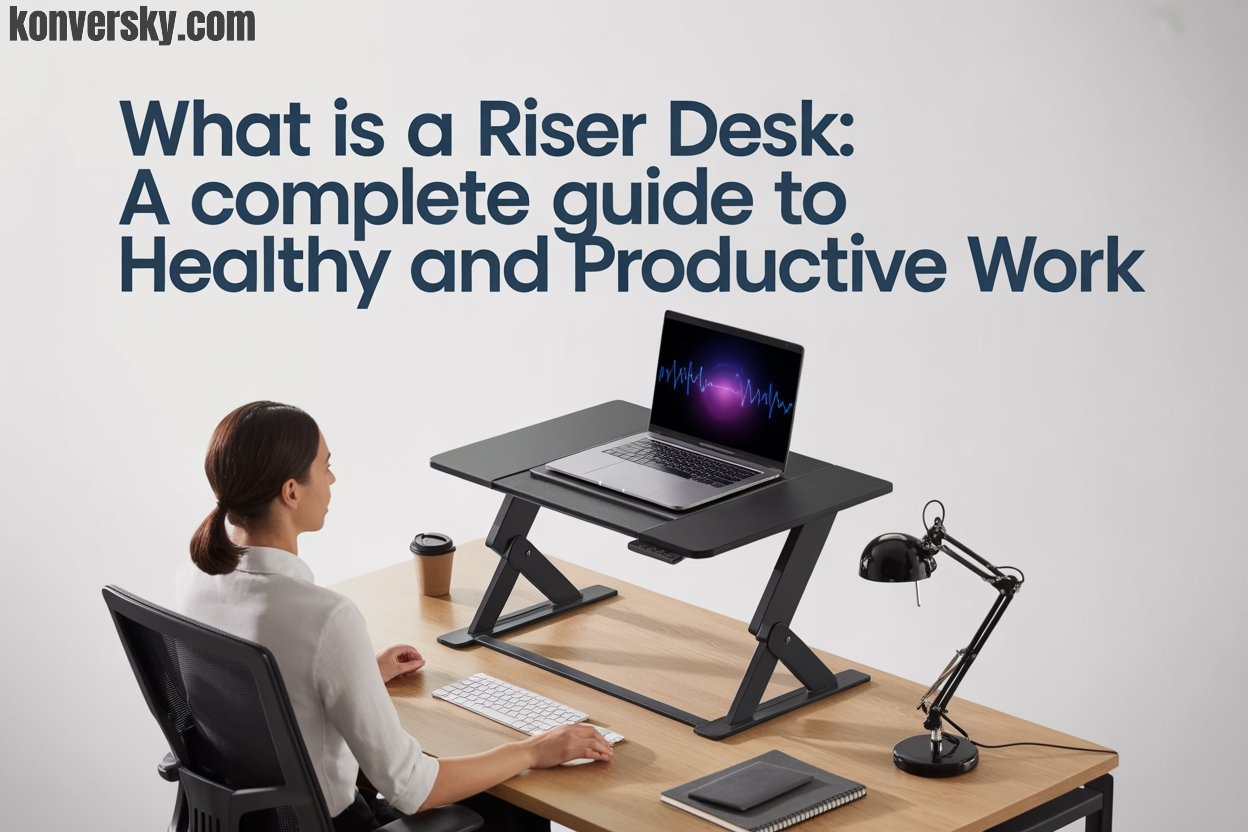
What is a Riser Desk: A Complete Guide to Healthy and Productive Work
Introduction
A riser desk is a desk designed to let you alternate between sitting and standing while working. It comes with adjustable height settings, allowing users to find the most comfortable position for their tasks. Unlike traditional desks, a riser desk provides flexibility, supporting long hours of work without causing discomfort. By allowing seamless transitions between sitting and standing, it encourages movement, improves circulation, and promotes better posture. These desks are suitable for home offices, corporate spaces, creative studios, and even small workstations, making them a versatile choice for modern workers.
In today’s work culture, prolonged sitting has become a common issue. Many people spend most of their day seated, which can lead to back pain, neck strain, and overall fatigue. Extended periods of sitting also reduce focus, productivity, and energy levels throughout the day. Riser desks have gained popularity because they actively address these challenges. By encouraging regular position changes, they help reduce physical strain and prevent stiffness. Adjustable desktops and ergonomic designs make it easier to align monitors, keyboards, and other work tools correctly.
This flexibility allows individuals to maintain a natural posture and remain comfortable, even during extended work sessions.Understanding the importance of a riser desk is essential for anyone looking to improve their work environment. Choosing the right desk can enhance health, increase alertness, and boost overall efficiency. This guide will explore the benefits, key features, types, and usage tips of riser desks. By the end, you will gain insight into how to select and use a riser desk effectively. Implementing this simple yet powerful change can transform your workspace into a healthier, more comfortable, and highly productive environment.
Understanding Riser Desks
A riser desk is a desk designed to allow users to switch between sitting and standing during work. It usually features adjustable height settings, which can be manual, pneumatic, or electric. This flexibility helps maintain proper posture and reduces discomfort during long work hours. Unlike traditional desks, which remain fixed, riser desks provide a dynamic workspace solution. By enabling regular changes in position, they promote better circulation, reduce stiffness, and support overall physical well-being. Traditional desks do not offer height adjustments, forcing users to remain in one position for extended periods.
Prolonged sitting can lead to back pain, neck strain, and reduced energy levels. In contrast, riser desks encourage frequent posture changes, keeping muscles active and improving alertness. They also support ergonomic placement of monitors, keyboards, and office tools, helping maintain natural wrist, arm, and shoulder alignment. This makes them suitable for a variety of settings, including home offices, corporate spaces, and creative studios. Well-designed riser desks can accommodate multiple monitors, laptops, and other equipment without cluttering the workspace.
Beyond physical comfort, riser desks enhance productivity and work efficiency. Switching between sitting and standing positions prevents fatigue, encourages healthier work habits, and reduces the risk of repetitive strain injuries. By promoting a more active and ergonomic workspace, these desks help users stay focused and energized throughout the day. Overall, a riser desk is more than just furniture—it is an essential tool for creating a healthier, more comfortable, and highly adaptable work environment that supports both performance and long-term well-being.
Key Benefits of Using a Riser Desk
A riser desk provides several important benefits for both health and productivity. This helps prevent stiffness, discomfort, and long-term spinal issues. Proper posture is easier to maintain, which increases energy and comfort during long working hours. The flexibility to switch positions also encourages small movements throughout the day, promoting overall physical well-being and reducing the risks of sedentary behavior. Using a riser desk can significantly enhance focus and productivity.
Standing periodically improves blood circulation, which delivers more oxygen and nutrients to the brain. This keeps users alert, attentive, and able to complete tasks more efficiently. Frequent position changes also reduce mental fatigue and help maintain concentration over extended work periods. By allowing users to alternate between sitting and standing, riser desks create a more active and engaging work environment, making it easier to stay energized and focused throughout the day. Physical activity is another key advantage.
Changing positions encourages subtle movement, which helps counteract the negative effects of prolonged sitting. Standing burns slightly more calories than sitting, producing minor but cumulative benefits over time. These small improvements can support weight management and enhance metabolism gradually. Overall, a riser desk is more than just furniture—it is a tool that promotes better posture, boosts focus, encourages movement, and supports long-term health. Incorporating a riser desk into daily routines can transform a standard workspace into a healthier, more comfortable, and highly productive environment.
Features to Look for in a Riser Desk
A riser desk should offer an adjustable height mechanism to suit different work styles. Options include manual, pneumatic, and electric adjustments. Electric desks provide smooth, effortless changes with a button press, while manual and pneumatic desks are simpler, budget-friendly, and reliable. Choosing the right height adjustment allows proper posture, reduces strain on the back and neck, and keeps users comfortable throughout long work hours. The work surface size is another important consideration.
Some desks are ideal for a single monitor, while others can support multiple screens, laptops, and additional accessories. Desks with sliding or retractable keyboard trays help maintain natural wrist and arm positions. A spacious desktop ensures that documents and tools are organized, improving workflow and efficiency. Smaller desktops may save space, but they can limit usability, so balancing size with functionality is essential for productive work. Stability and load capacity are crucial for safety and reliability.
A strong frame prevents wobbling, even when the desk is fully raised, and supports office equipment securely. Many riser desks include extra ergonomic features such as monitor stands, cable management systems, and adjustable keyboard trays. Portability and space-saving designs make the desk flexible for different environments. Selecting a riser desk with the right combination of height adjustment, work surface, stability, and ergonomic accessories creates a comfortable, efficient, and adaptable workspace that supports health, focus, and productivity.
Types of Riser Desks
Riser desks are designed to accommodate different work habits and environments. Electric height-adjustable desks are the most convenient choice for frequent sit-to-stand transitions. With the push of a button, the desk rises or lowers smoothly and quietly. These desks can easily support multiple monitors, laptops, and other heavy equipment. They are perfect for busy offices or home setups that require frequent height changes. The main drawbacks include higher cost and dependence on electricity, which limits portability and setup options. Manual height-adjustable desks are simpler and more affordable.
They use hand cranks or gas springs to adjust the desktop height. Manual desks are durable, reliable, and do not require a power source. They are ideal for home offices, smaller workspaces, or setups that do not require frequent adjustments. Users should note that manual height changes take some effort and are slower than electric desks, but the low cost and flexibility make them a practical choice for many.Pneumatic riser desks provide a balance between ease of use and affordability. Gas springs allow smooth and quiet adjustments without electricity.
These desks are suitable for moderate workloads and are versatile enough for both home and office environments. Pneumatic models are especially useful for users who want effortless height adjustment without investing in a fully electric desk.When selecting a riser desk, consider your workspace, equipment, and daily usage. Electric desks suit heavy-use office setups, manual desks fit compact spaces or lighter setups, and pneumatic desks offer quiet, affordable flexibility. Understanding these types ensures the right choice for posture, comfort, and long-term productivity.
How to Use a Riser Desk Effectively
Using a riser desk correctly is essential for comfort, productivity, and long-term health. Proper posture forms the foundation of effective desk use. While sitting, keep your back straight, shoulders relaxed, and feet flat on the floor. Avoid slouching or leaning forward, which can strain your spine. When standing, distribute weight evenly on both feet and maintain a natural posture. Standing tall with relaxed shoulders reduces tension in the back, neck, and shoulders, helping prevent fatigue during long workdays. Alternating between sitting and standing is key to maximizing the benefits of a riser desk.
The 20-8-2 rule is a helpful guideline: sit for 20 minutes, stand for 8 minutes, and move or stretch for 2 minutes. Adjust these intervals according to your comfort, workload, and health needs. Frequent position changes improve blood circulation, activate muscles, and help maintain focus. Avoid standing for excessively long periods, as it may cause joint stiffness, leg fatigue, or reduced productivity. Combining standing and sitting throughout the day keeps energy levels steady and supports overall well-being. Proper placement of your monitor, keyboard, and other accessories is equally important.
Keep the keyboard and mouse close to maintain elbows at a natural 90-degree angle. Arrange frequently used items within reach to reduce unnecessary bending, twisting, or overreaching. Avoid common mistakes, including improper height adjustment, standing too long, or neglecting posture. Following these practices ensures a comfortable, healthy, and productive workspace. By using a riser desk correctly, you can protect your body, maintain focus, and work efficiently while reducing the risks associated with prolonged sitting or standing.
Riser Desk vs Desk Riser
Riser desks and desk risers both allow users to switch between sitting and standing, but their design and applications differ. A riser desk is a complete, freestanding desk with its own base, spacious desktop, and height-adjustable mechanism. Users can raise or lower the desk manually or electrically, making it suitable for multiple monitors, laptops, and other office equipment. This type of desk is ideal for long-term use, whether at home or in professional offices. Desk risers, in contrast, are compact platforms placed on top of an existing desk. They elevate monitors, laptops, or small accessories without replacing the desk itself.
Desk risers are portable, affordable, and easy to set up, making them perfect for temporary setups or smaller workspaces. Riser desks offer excellent stability, ergonomic support, and plenty of workspace for equipment and documents. They are best for users who spend long hours standing or require a permanent, dedicated workstation. However, they tend to be more expensive, occupy more space, and are less mobile. Desk risers are lightweight, cost-effective, and simple to install. They allow quick height adjustments and save space, which is ideal for shared offices or compact rooms.
The trade-offs include smaller desktop space, lower weight capacity, and limited adjustment options compared to a full riser desk.Choosing the right solution depends on your workspace, equipment, budget, and daily needs. A riser desk is suitable for a comprehensive ergonomic setup, especially when handling multiple devices. A desk riser is better for lighter setups, short-term standing, or flexible arrangements. Selecting the right option ensures better posture, increased productivity, and encourages regular movement throughout the workday.
Top Considerations Before Buying
When choosing a riser desk, budget is the first factor to evaluate. Prices differ depending on the type—manual, pneumatic, or electric. Consider how often you will use the desk and whether the included features justify the cost. Investing in a desk that balances affordability with functionality ensures long-term satisfaction and avoids unnecessary spending. A well-planned purchase also provides a practical workspace for daily tasks. Desk size and workspace compatibility are equally important. Measure your available area to ensure the desk fits comfortably without crowding your room.
Think about the number of monitors, keyboard, and other office tools you plan to use. A spacious work surface helps maintain organization, reduces clutter, and allows smooth workflow. Additionally, ensure there is enough clearance around the desk for movement, stretching, and accessing other areas of your workspace. Proper spacing increases comfort and prevents strain during long work sessions. User height and ergonomics should guide your decision as well. A desk with an adjustable height range allows proper posture, supporting both sitting and standing positions.
Correct posture reduces stress on your back, neck, and shoulders. Build quality, durability, and warranty are also essential considerations. A sturdy desk made of reliable materials ensures it lasts for years, while a solid warranty provides protection against defects or malfunctions. By carefully reviewing budget, desk size, ergonomics, and construction quality, you can select a riser desk that promotes comfort, enhances productivity, and supports healthy posture throughout your workday. Thoughtful planning ensures a workspace that is practical, ergonomic, and suited to your needs.
Final Thoughts
Riser desks are not just ordinary office furniture; they play a key role in supporting both health and productivity. By allowing users to switch between sitting and standing, these desks help reduce strain on the back, neck, and shoulders. Alternating positions throughout the day improves posture, promotes better circulation, and enhances focus during long work sessions. Introducing a riser desk into your workspace can provide long-term benefits for both physical comfort and mental alertness.
It is crucial to evaluate your current work habits before making any changes. Long hours of sitting can lead to fatigue, discomfort, and reduced efficiency. Assessing how your existing workspace impacts posture, energy levels, and overall well-being can help you make informed decisions. Upgrading to a riser desk offers a flexible solution that encourages movement, lowers sedentary risks, and supports a healthier daily routine. Even small adjustments, like standing for a few minutes every hour or arranging your equipment ergonomically, can make a significant difference in comfort and productivity.
To fully maximize these benefits, consider additional ergonomic solutions. Combining a riser desk with an adjustable chair, anti-fatigue mat, or supportive accessories improves overall functionality and comfort. Select a desk that fits your space, accommodates your height, and can hold your equipment securely. By taking these steps, you create a workspace that supports proper posture, reduces strain, and boosts efficiency. Investing in a riser desk today can transform your workday into a more comfortable, productive, and health-conscious experience, promoting both immediate comfort and long-term wellness.
