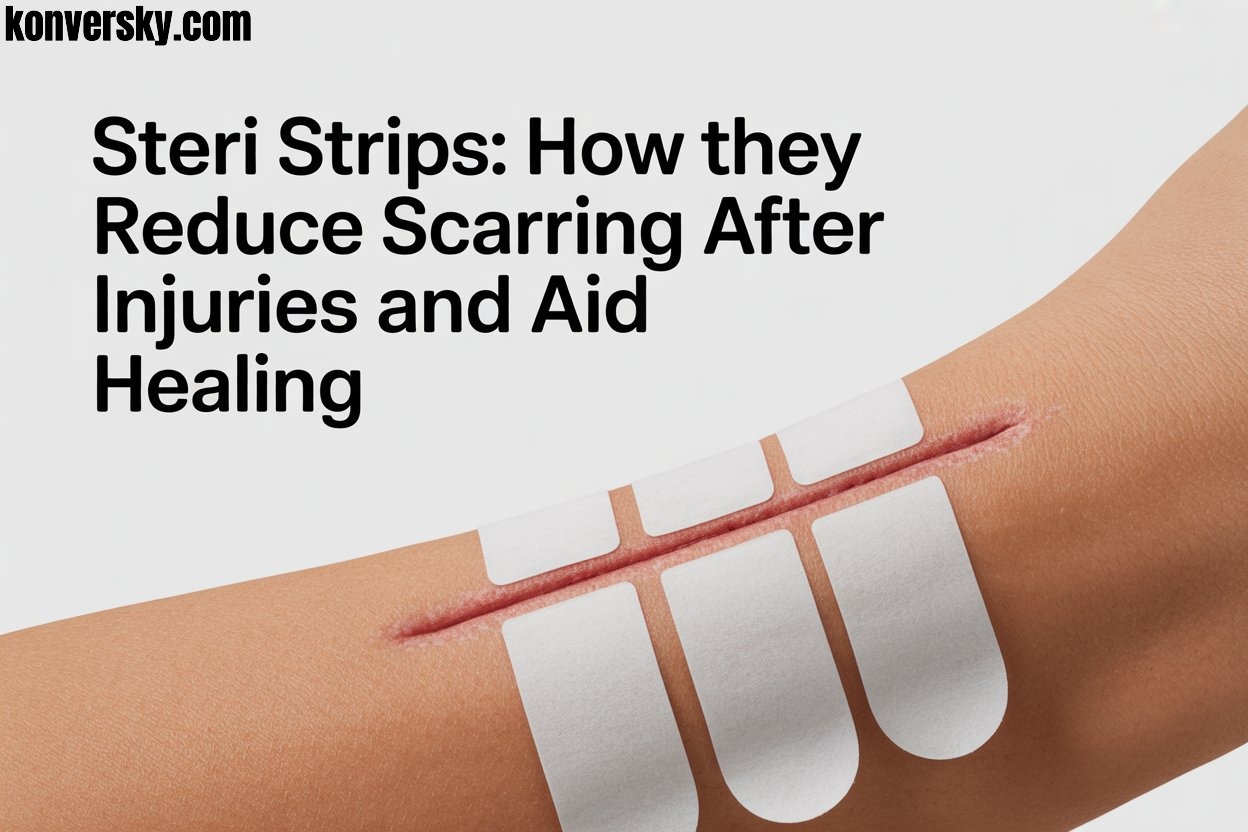
Steri strips: how they reduce scarring after injuries and aid healing
Introduction
Steri strips are a widely used and highly effective solution for minor cuts, surgical incisions, and skin injuries. They are thin adhesive strips that hold the edges of a wound together, allowing the skin to heal naturally without putting extra strain on it. By keeping the wound edges aligned, steri strips reduce the risk of infection, prevent reopening, and promote smoother and faster healing. Unlike stitches or staples, they are non-invasive and simple to apply, making them a convenient option for home care or post-surgery recovery. Their design ensures that the skin remains stable while still allowing some movement, which is important for comfort and flexibility during daily activities.
Scarring is one of the primary concerns when it comes to wound healing. Visible scars can affect self-confidence and may have emotional or psychological impacts, especially when they appear on exposed areas such as the face or hands. Medically, improper wound healing can leave the skin weaker, making it more susceptible to future injury or irritation. Steri strips play a vital role in minimizing scarring by reducing tension along the wound, which allows the tissue to repair more evenly. They support the natural healing process and can make scars less noticeable over time. Understanding how to use them correctly can significantly improve both the cosmetic and functional outcome of a wound.
This article is designed to guide you through everything you need to know about steri strips. You will learn how they work, the benefits they offer, and the situations in which they are most useful. Step-by-step instructions will show you how to apply them effectively, and tips will help you care for your wound to enhance healing. Additionally, we will cover common mistakes to avoid and provide advice on how to reduce scars further. By the end, you will gain practical knowledge and confidence in using steristrips, helping you promote faster recovery while achieving smoother, healthier skin. With the right approach, steri strips can be an essential tool in your wound care routine, combining convenience, effectiveness, and visible results.
What Are Steri Strips?
Steri strips are thin adhesive strips designed to close small cuts, surgical incisions, and minor skin injuries. They help hold the edges of a wound together, promoting natural healing and reducing stress on the surrounding skin. Unlike bulky bandages, steristrips are lightweight and flexible. They allow slight movement while keeping the wound stable, which is important for comfort during daily activities. This stability also prevents the wound from reopening and lowers the risk of infection. Steri strips are widely recommended for their ability to support healing while minimizing visible scars, making them a convenient option for both medical and cosmetic purposes. These strips differ significantly from other wound closure methods.
Stitches or sutures involve needles and threads and usually require professional medical assistance. While effective, they can be uncomfortable and sometimes leave noticeable scars. Wound glue offers quick sealing but may not be strong enough for areas under tension or frequent movement. Steri strips, in contrast, are non-invasive, easy to apply, and suitable for minor wounds at home. They offer a balance between convenience and effectiveness, providing gentle yet reliable support. Compared to other methods, steri strips are cost-effective and reduce the need for repeated medical visits, making them practical for everyday wound care. There are several types of steristrips, each designed to meet specific needs.
Some are made from breathable paper, allowing air circulation to keep the wound dry. Others have extra-strong adhesive for areas with more movement, such as joints or fingers. Pre-cut strips are convenient for quick application, while rolls allow customization for larger wounds. Some strips are flexible, designed to stretch with the skin without detaching. Choosing the right type depends on the wound’s size, location, and healing requirements. Understanding these differences helps ensure effective wound management. By selecting the appropriate steri strips and using them correctly, users can promote faster healing, prevent infections, and achieve minimal scarring. Steristrips provide a simple, safe, and effective solution that supports both the medical and cosmetic aspects of wound care.
How Steri Strips Work
Steri strips work by gently holding the edges of a wound together, creating stability while the skin heals. They act as a supportive barrier, keeping the tissue aligned and minimizing movement. Unlike traditional bandages that only cover the wound, steri strips pull the skin edges inward. This alignment ensures that new skin cells grow evenly, reducing gaps or irregular tissue formation. The adhesive used in steristrips is designed to be strong enough to maintain position yet gentle enough to avoid damaging delicate skin. Their flexibility allows them to conform to the shape of the wound, making them suitable for small cuts, surgical incisions, and minor injuries in different body areas.
Another important function of steri strips is reducing tension on the skin. Wounds under stress or frequent movement tend to heal slower and may form more noticeable scars. Steri strips distribute tension evenly across the wound edges, which prevents excessive pulling on the surrounding tissue. This is especially helpful on areas like fingers, elbows, knees, or joints that move often. By minimizing tension, steri strips support the natural healing process, allowing the body to focus on regenerating healthy skin and connective tissue. They also reduce the chances of reopening the wound, which can occur if the skin is stretched or disturbed during recovery.
The combined effect of stabilization and tension reduction helps wounds heal faster and leaves scars less noticeable. With the edges held together, the body can efficiently rebuild skin layers, including blood vessels and connective tissues. Steri strips protect the wound from friction, bumps, or minor pressure during daily activities, which enhances safety and reduces infection risk. Over time, scars tend to appear thinner, smoother, and less visible compared to wounds left to heal without support. Overall, steristrips provide a simple, effective solution that balances support and comfort. They ensure a faster recovery, reduce scarring, and improve the overall cosmetic outcome, making them an essential tool in modern wound care.
Benefits of Using Steri Strips
Steri strips provide a major advantage in minimizing scars after cuts or surgical wounds. Unlike stitches that can leave thick or uneven marks, steri strips hold the wound edges gently. This allows the skin to heal smoothly and evenly, reducing the chance of raised, bumpy, or noticeable scars. Patients often notice a thinner and more uniform scar, especially in visible areas like the face, hands, or arms. The gentle yet firm support encourages proper tissue alignment and helps the healing process progress efficiently. Because the skin edges are stabilized, steristrips ensure that new skin cells regenerate evenly, resulting in a more aesthetically pleasing outcome. Another key benefit of steri strips is the reduced risk of infection and complications.
By keeping the wound edges together, they create a protective barrier against bacteria, dirt, and other contaminants. At the same time, their breathable design allows air circulation, which prevents excessive moisture buildup. This balance reduces inflammation and promotes faster recovery. In addition, steri strips help prevent the wound from reopening due to accidental movement or pressure. Patients can move normally without worrying about disrupting the healing process. Overall, steri strips create a safer, cleaner environment for wound healing compared to open or poorly supported cuts. Steristrips are also non-invasive, easy to apply, and cost-effective.
Unlike stitches, they do not require needles, medical tools, or professional assistance for minor injuries. Their lightweight and flexible design makes them comfortable for daily use, even on joints or areas that bend frequently. Additionally, they are an affordable option compared to sutures, adhesives, or frequent doctor visits. Combining simplicity, safety, and reliability, steri strips provide an effective solution for minor cuts, post-surgical wounds, and other small injuries. With proper application, they accelerate healing, reduce scarring, lower infection risk, and make wound care manageable at home. These benefits make steri strips a trusted and practical tool in both medical and home settings.
When to Use Steri Strips
Steri strips are highly effective for minor cuts, shallow wounds, and small surgical incisions. They work best on clean-edged wounds where the skin can naturally close. Small lacerations, abrasions, and post-stitch wounds benefit greatly from their gentle support. Areas that do not stretch excessively, such as the arms, legs, or back, are ideal for steri strips. By holding the wound edges together, they promote smoother healing and reduce the likelihood of thick, uneven scars. Steristrips also allow slight movement, providing comfort while supporting natural recovery. Their lightweight and flexible design ensures they conform to different body areas without causing discomfort. However, steri strips are not suitable for all types of injuries.
Deep cuts, large gashes, or wounds with heavy bleeding usually require professional medical intervention. Jagged wounds or those with torn tissue may not close properly with strips alone. They should also be avoided on infected wounds, wounds with dead tissue, or areas under constant tension. Using steri strips in such cases can slow healing or worsen complications. Wounds located on joints or highly mobile areas may need alternative closure methods, such as sutures or surgical glue, to ensure stability. Recognizing when steri strips are inappropriate is essential to prevent delayed recovery and reduce the risk of reopening. Steristrips are also highly useful in post-surgical care.
They provide gentle support for minor surgical incisions, helping the edges stay together while reducing tension on the skin. This minimizes the risk of reopening and supports faster healing. Post-surgical application can also help reduce visible scarring, making recovery both safer and cosmetically favorable. Steri strips are non-invasive, easy to apply, and cost-effective, offering patients a practical solution for wound management at home. When used correctly, they combine safety, convenience, and effectiveness, making them an essential tool in both medical and personal care settings. Understanding when and where to use steri strips ensures optimal healing and improved cosmetic outcomes.
Step-by-Step Guide to Applying Steri Strips
Proper preparation is the first step in using steri strips effectively. Begin by washing your hands thoroughly to prevent infection. Clean the wound gently using mild soap and water, removing all dirt, debris, or blood. Avoid harsh chemicals or alcohol directly on the wound, as they can irritate the skin and slow healing. After cleaning, pat the area dry carefully with a sterile cloth or gauze. Make sure the surrounding skin is dry and free of oils, lotions, or moisture. Preparing the wound properly ensures the steri strips adhere correctly, hold the wound edges together, and reduce the risk of complications.
Applying the steri strips correctly is the next important step. Remove the protective backing from a single strip and place one end on healthy skin beside the wound. Gently pull the strip across the wound to meet the opposite edge, ensuring the skin aligns without stretching it too much. Overstretching can cause irritation or reopen the wound. If multiple strips are required, space them evenly with small gaps. Ensure each strip lies flat and does not curl or fold. Applying the strips in this manner keeps the wound edges stable, encourages uniform healing, and minimizes visible scars. Gentle pressure can be applied to secure the adhesive without damaging the skin.
Maintaining steri strips during healing is equally important. Avoid soaking the wound or exposing it to excessive moisture, as this can weaken the adhesive. Protect the area from friction, tight clothing, or bumps. If a strip begins to lift, press it down gently without pulling. Typically, steri strips should remain in place for five to seven days, or until they naturally start peeling. Removing them too early can interrupt healing and increase the risk of scarring. By following these steps—preparing the wound, applying strips correctly, and maintaining them properly—steri strips can support faster healing, reduce scarring, and provide a safe, non-invasive option for wound care.
Tips for Faster Healing and Scar Prevention
Maintaining a clean and dry wound is the most important step for faster healing. Clean the area gently with mild soap and lukewarm water to remove dirt, dried blood, or debris. Pat the wound dry carefully using a sterile cloth or gauze. Avoid soaking the wound, as excess moisture can weaken steri strips and slow healing. Keeping the wound clean helps reduce infection risk, allowing new skin cells to regenerate properly. Regularly checking the wound for redness, swelling, or unusual discharge ensures early detection of problems, preventing complications and promoting smoother recovery. Avoiding stretching, pressure, or friction on the wound is also crucial.
Excessive movement or rubbing can separate wound edges and increase scar formation. Protect areas with frequent movement, such as joints, by wearing loose clothing or padding the site gently. Even small amounts of tension can affect delicate healing tissue. Reducing stress on the wound allows steri strips to hold the edges securely, supporting uniform healing. This approach ensures the skin regenerates evenly, resulting in thinner and less visible scars. By minimizing mechanical stress, you prevent reopening, irritation, and delayed recovery, which contributes to both faster healing and better cosmetic outcomes. After the steri strips are removed, proper post-care supports scar prevention.
Apply gentle moisturizers or recommended topical treatments to keep the skin hydrated and flexible. Hydration prevents dryness, cracking, or thickened scar tissue. Avoid harsh chemicals, strong creams, or irritating products that can harm delicate skin. Additionally, consult a doctor if you notice persistent redness, swelling, pus, or slow healing. Timely professional advice prevents complications and ensures optimal recovery. By following these tips—keeping the wound clean, avoiding tension, using proper topical care, and monitoring for issues—you can enhance healing, minimize scarring, and support healthier skin. Consistent, gentle care throughout the recovery process provides the best results for both function and appearance.
Common Mistakes to Avoid
One of the most common mistakes when using steri strips is removing them too early. Steri strips are designed to hold the wound edges together while the skin heals naturally. Pulling them off before the wound has fully closed can cause the edges to separate, delay recovery, and increase infection risk. Early removal may also lead to thicker, raised, or more noticeable scars. To avoid this, wait until the strips start peeling off naturally or follow your healthcare professional’s advice. Proper timing ensures the wound remains stable and aligned, which is essential for faster healing and better cosmetic results. Being patient with the healing process can make a significant difference in the final appearance of the scar.
Another frequent error is applying steri strips over wet, contaminated, or infected wounds. Moisture, dirt, or pus prevents the adhesive from sticking properly. This reduces the strips’ effectiveness and increases the chance of infection. Applying strips to unprepared wounds may worsen complications and prolong recovery. Always ensure the wound is clean, dry, and free from infection signs before placing steri strips. Proper wound preparation allows the strips to support the wound effectively, keeping the edges together and promoting uniform healing. Avoiding this mistake helps maintain a sterile environment and encourages the skin to repair naturally, reducing potential complications and improving overall outcomes.
Ignoring signs of irritation, inflammation, or delayed healing is another critical mistake. Redness, swelling, persistent pain, or unusual discharge may indicate infection or other complications. Failing to notice these warning signs can lead to prolonged recovery and poor cosmetic results. Regularly inspect the wound, and consult a healthcare professional if any abnormal symptoms appear. By avoiding these mistakes—removing strips too soon, applying them to unsuitable wounds, or ignoring warning signs—you maximize the benefits of steri strips. Following these precautions reduces infection risk, promotes faster healing, and results in smoother, less noticeable scars. Consistent care and vigilance throughout the healing process are key to achieving the best results for both wound recovery and skin appearance.
Myths vs. Facts About Steri Strips
A common myth is that steri strips are only suitable for minor cuts. In reality, they are effective for shallow wounds, small surgical incisions, and post-stitch care. Many people also believe that steri strips cause worse scars than stitches. Evidence shows the opposite. When applied correctly, steri strips reduce tension along the wound edges. This allows the skin to heal evenly and produces smoother, less noticeable scars. Proper use of steri strips supports both cosmetic and medical recovery, making them a reliable solution for a wide range of minor wounds. Another widespread misconception is that steri strips can be applied over wet, dirty, or infected wounds.
This is false. Moisture, debris, or pus prevents the adhesive from sticking properly and can increase infection risk. Applying strips to unprepared wounds may result in lifting strips, reopening wounds, and delayed healing. Correct preparation involves gently cleaning the wound, patting it dry, and removing all debris before application. Studies confirm that clean and dry wounds heal faster, show reduced scarring, and have fewer complications. Avoiding this mistake ensures steri strips function optimally, keeping the wound edges aligned and promoting smooth healing throughout recovery. Some people assume that once steri strips are removed, the wound is fully healed.
While the strips support the edges, healing continues beneath the skin. Post-removal care, such as applying gentle moisturizers, avoiding stretching, and monitoring for irritation, is essential. Ignoring these steps can lead to thicker, raised, or more noticeable scars. Evidence-based guidance highlights that steri strips are part of a broader wound care strategy, not a complete solution. By understanding the myths and facts, users can make informed decisions, reduce complications, and encourage natural healing. Proper knowledge, patience, and consistent care maximize the benefits of steri strips for both minor injuries and post-surgical wounds, resulting in healthier, smoother skin.
Conclusion
Steri strips are an effective and practical tool for reducing scarring and supporting wound healing. They hold the edges of the skin together gently, reducing tension and allowing natural repair. By aligning the wound edges properly, steri strips encourage even healing, which prevents thick or irregular scars. When applied correctly and maintained as recommended, they provide stable support and protect the wound from reopening. Steri strips create an optimal environment for new skin growth. Their non-invasive design makes them suitable for minor cuts, shallow wounds, and post-surgical incisions. Proper use is crucial for achieving the best outcomes.
Begin by preparing the wound carefully—cleaning and drying the area ensures the adhesive sticks effectively. Apply the strips without overstretching or misaligning the wound edges. Maintain the strips until they peel off naturally. Avoid excessive moisture, friction, or pressure on the wound, as these factors can reduce effectiveness. Post-removal care is equally important. Gently moisturizing the skin, avoiding tension, and monitoring for irritation all help minimize scarring. Common mistakes, such as removing strips too early, applying them to wet or infected wounds, or ignoring warning signs, can delay healing and worsen scars. Following proper techniques ensures safer and more effective recovery.
Safe and informed wound care practices remain essential for long-term skin health. Regularly inspect the wound and consult a healthcare professional if unusual changes appear. Understanding how steri strips work and combining careful attention with consistent care allows users to maximize healing. Following evidence-based guidelines ensures faster recovery, reduced infection risk, and smoother scars. Steri strips provide a reliable, practical, and cost-effective solution for wound management. By applying them correctly, maintaining proper care, and monitoring progress, users can achieve optimal healing and healthier, more aesthetically pleasing skin. Proper knowledge, patience, and diligence make a significant difference in both recovery and scar appearance.
Optional: FAQ Section
Can steri strips be used on deep cuts?
Steri strips are most effective for shallow wounds and minor cuts. Deep or large cuts often require professional treatment, such as stitches or surgical closure. Using steri strips on deep wounds can increase infection risk and may prevent proper healing. Always consult a healthcare professional for deep injuries. Proper evaluation ensures the wound is treated safely, and steri strips can then be used if appropriate for support.
How long does it take to heal with steri strips?
Healing time varies depending on the wound’s depth, size, and location. Minor cuts or post-surgical wounds typically begin to close within five to seven days. Larger or more complex wounds may take longer, but steri strips help hold the edges together, promoting even healing. Proper wound care, including keeping the area clean, dry, and protected, supports faster recovery. Following instructions carefully reduces the risk of infection and ensures minimal scarring during the healing process.
Can steri strips be reused?
No, steri strips are designed for single use only. Reusing them reduces their adhesive strength and increases infection risk. If a strip becomes loose or damaged, replace it with a new one. Maintaining clean, dry skin before application ensures maximum adhesion and effectiveness. Proper application and care allow steri strips to support the wound fully while minimizing complications.
Do steri strips leave scars at all?
When applied correctly and cared for properly, steri strips minimize scarring. Some marks may still form, but they are usually smaller, flatter, and less noticeable than untreated wounds or wounds closed improperly. Post-removal care, such as moisturizing and avoiding tension on the area, further helps reduce scar visibility. By following proper usage guidelines and monitoring the wound, users can achieve smoother, healthier skin.
Understanding these common questions helps users make informed decisions about steri strips. Following proper application, maintenance, and post-care guidance ensures safe, faster healing, lowers infection risk, and improves cosmetic outcomes.
