
 By Admin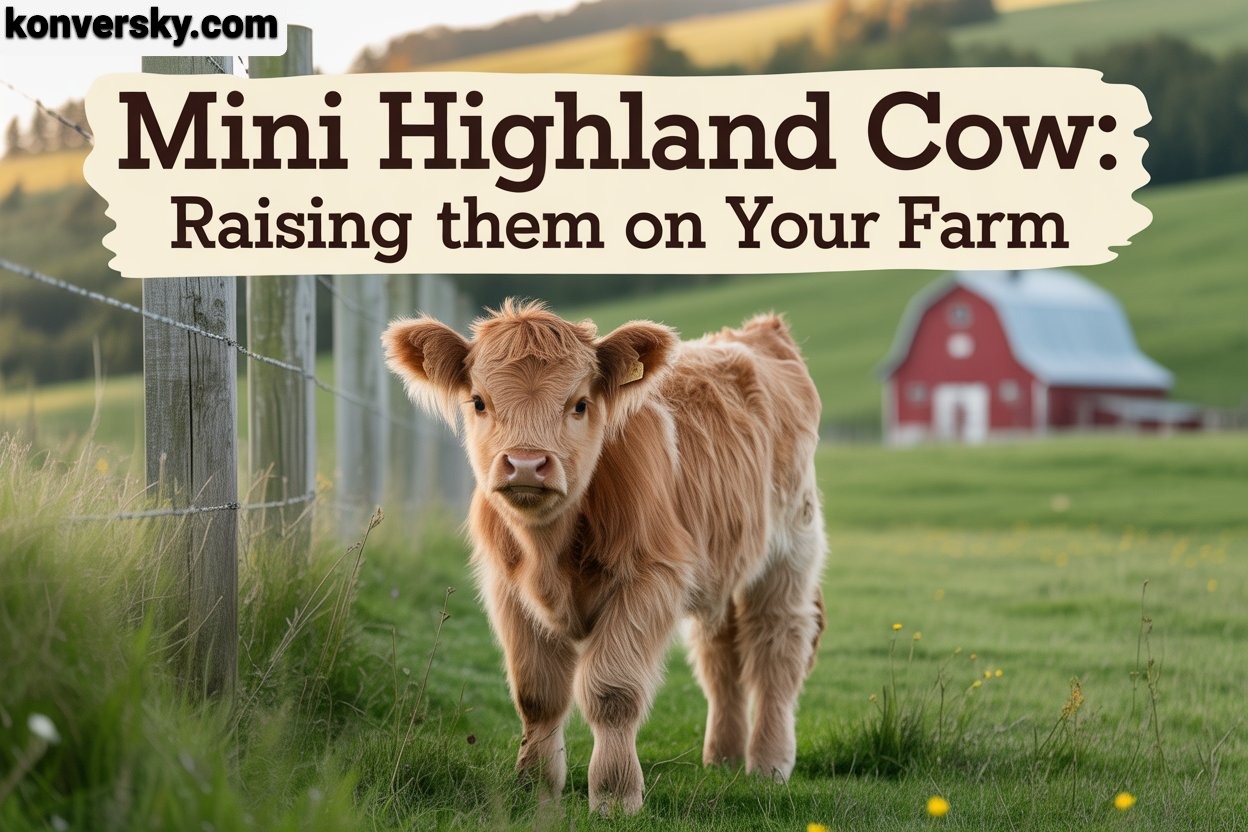
Introduction
Mini highland cows are small, sturdy, and charming animals that capture attention immediately. Known for their long, shaggy coats and gentle temperament, they are an appealing addition to any farm. Their manageable size makes them ideal for small pastures and hobby farms, where larger cattle might not fit comfortably.
These cows have gained popularity among farmers and animal enthusiasts alike because they are easy to handle and require less maintenance. Their friendly nature makes them suitable for families, while their striking appearance adds beauty to any farm landscape. They adapt well to different climates and can thrive with proper care and attention.
In this article, you will learn everything necessary to raise mini highland cows successfully. We will cover choosing healthy animals, setting up proper housing, feeding routines, and essential health care. Additionally, practical tips for breeding, budgeting, and enjoying these delightful cows on your farm are included. By the end, you’ll have a clear guide to start your own mini highland cow journey with confidence.
What is a Mini Highland Cow?
Mini highland cows are a smaller, more manageable form of the traditional Scottish Highland breed. They were selectively bred to keep their charming traits in a compact size.Historically, Highland cows helped farmers survive harsh climates with their thick coats and hardy nature. Today, mini highlands maintain this heritage while fitting smaller farms.
Compared to standard Highland cows, mini highlands are easier to manage. They require less space, consume less feed, and are more approachable. While their personality remains friendly and calm, their smaller frame makes them ideal for hobby farms or family settings. Despite the size difference, they still display the characteristic long horns and flowing coats of the Highland lineage.
These cows are known for their gentle temperament and unique appearance. Their long, shaggy hair protects them from weather changes. They are social, curious, and bond easily with humans. Their size and playful nature make them both practical and enjoyable to keep. Mini Highland cows combine beauty, charm, and ease of care in one remarkable package.
Benefits of Raising Mini Highland Cows on Your Farm
Mini highland cows are ideal for small farms because they require minimal space and care. Their smaller size makes feeding, sheltering, and daily handling much easier than with larger cattle. This efficiency allows farmers to enjoy livestock without extensive resources.
These cows are known for their gentle and friendly temperament. They bond easily with humans and are suitable for families, including children. Their calm and playful nature makes farm life more enjoyable and interactive for everyone involved.
Beyond their behavior, mini highland cows also enhance the farm’s charm. Their long, flowing coats and striking horns create a picturesque scene. Additionally, they can provide practical benefits such as milk, breeding potential, or even meat, depending on the farmer’s goals. This combination of beauty, friendliness, and utility makes them a perfect choice for hobbyists and small-scale farmers alike.
How to Choose the Right Mini Highland Cow
Selecting the right mini highland cow starts with age, gender, and overall health. Younger cows are easier to train and adapt quickly to new environments. Healthy animals show bright eyes, smooth coats, and active behavior.
It is important to choose between reputable breeders and local sources. Breeders often provide documented lineage, vaccinations, and guidance. Local sources may be cheaper but might lack proper health records or breed information. Always weigh the advantages carefully before deciding.
Before making a purchase, ask key questions about diet, past health issues, and temperament. Inquire about previous breeding, vaccinations, and any behavioral traits. These details help ensure you bring home a cow that fits your farm and lifestyle. Taking time to choose carefully increases the chances of a healthy, happy, and manageable mini highland cow.
Housing and Farm Setup
Mini highland cows need enough space to move comfortably. Ideally, each cow should have access to at least half an acre of pasture. Strong and safe fencing is essential to protect them from predators and prevent escape. Wooden, electric, or mesh fences all work well with proper maintenance.
Providing adequate shelter keeps cows safe from extreme weather. A simple barn or three-sided shed with clean bedding is enough. Straw or wood shavings work well for bedding and must be changed regularly to maintain hygiene. Proper ventilation is also important to prevent dampness and respiratory issues.
Pasture rotation improves soil health and keeps cows grazing on fresh grass. Divide land into sections and rotate cows every few weeks. This prevents overgrazing and reduces the risk of parasites. Additionally, maintaining clean water sources and shaded areas ensures cows remain healthy and comfortable throughout the year.
Feeding and Nutrition
Mini highland cows need a balanced diet to stay healthy and active. Their primary food includes fresh grass, good-quality hay, and occasional supplements. Grass provides natural nutrients, hay adds essential fiber, and supplements fill any dietary gaps.
Feeding habits should change with the seasons. In winter, cows require more hay to maintain body warmth and energy. During summer, fresh grass usually meets most needs, but clean water must always be available. Adjusting feed according to weather, activity, and pasture quality ensures proper nutrition.
Farmers must avoid common feeding mistakes to keep cows healthy. Overfeeding grain can cause digestive problems, while underestimating water needs leads to dehydration. Ignoring pasture rotation can reduce nutrient quality and cause overgrazing.
Observing cows daily and adjusting their diet maintains energy, supports growth, and keeps them active. Proper feeding also strengthens immunity and ensures cows thrive in every season.
Health Care and Maintenance
Proper health care is crucial for mini highland cows to stay strong and active. Regular vaccinations protect them from common diseases. Routine check-ups help detect potential health issues early, keeping the herd safe and healthy.
Farmers should watch for signs of illness such as lethargy, coughing, or reduced appetite. Respiratory infections, parasites, and digestive problems are common concerns. Prompt action when noticing symptoms prevents serious complications and ensures cows remain energetic.
Hoof care and grooming are essential for overall well-being. Regular trimming prevents lameness, while brushing removes dirt and prevents hair matting. Maintaining clean bedding and shelter reduces infections and promotes comfort. Consistent care ensures cows thrive, enjoy farm life, and remain manageable, making daily farm routines easier and more rewarding.
Breeding and Calving Tips
Mini highland cows should reach an appropriate age before breeding, usually around two years. Selecting healthy cows and bulls ensures strong offspring and reduces complications. Responsible breeding practices help improve the overall herd quality over time.
Pregnancy care is essential for the health of both the cow and the calf. Providing extra nutrition, clean water, and a safe, comfortable shelter supports a healthy pregnancy. Monitoring the cow for any unusual signs ensures timely intervention if needed. Preparing a calm, secure space before calving makes the process smoother and less stressful.
Caring for newborn calves is crucial for their growth and survival. Keep the area clean, warm, and safe while observing feeding and bonding with the mother. Proper breeding and calving practices result in strong, healthy mini highland cows that thrive, making farm management more rewarding and enjoyable for the farmer.
Costs and Budget Planning
Raising mini highland cows begins with understanding the initial purchase cost. Prices vary depending on age, breed quality, and health. Investing in a healthy, well-bred cow may cost more upfront but reduces future problems and ensures a strong, productive animal.
Monthly expenses include feeding, bedding, and routine care. Fresh grass, quality hay, and clean water form the main diet, while occasional supplements support proper nutrition. Maintenance of shelters, fences, and regular health checks adds to the monthly budget, making careful tracking essential.
Unexpected costs can appear, such as veterinary emergencies or equipment repairs. Setting aside a small emergency fund helps avoid financial stress during these situations. Proper planning and budgeting ensure that raising mini highland cows remains manageable, enjoyable, and rewarding. By understanding both routine and unexpected expenses, farmers can maintain healthy, happy cows while keeping their farm financially stable.
Fun Facts and Tips for Enjoying Your Mini Highland Cow
Mini highland cows are known for their playful, curious, and social personalities. They enjoy exploring pastures, interacting with humans, and observing their surroundings. Their gentle temperament makes them ideal companions for families and hobby farms.
Spending time bonding with your cows improves trust and behavior. Simple training exercises, like leading on a halter or hand-feeding, create positive experiences. Regular interaction helps cows feel safe, confident, and connected with their caregivers, making farm life more enjoyable.
These cows also add charm and beauty to any farm. Their long, shaggy coats and striking horns make them perfect for photographs. Capture them grazing, feeding, or playing to create social media-friendly content. Engaging with mini highland cows daily provides memorable experiences while enhancing the farm’s visual appeal, making every day with them rewarding and fun.
Conclusion
Mini highland cows are small, friendly, and adaptable animals that suit a wide range of farms. Their manageable size, gentle temperament, and striking appearance make them a top choice for families and hobby farmers alike. They bring both charm and practicality to any farm.
Responsible care ensures these cows remain healthy, happy, and productive. Providing proper shelter, balanced nutrition, and regular health check-ups supports their overall well-being. Understanding breeding, housing, and daily routines makes farm management easier and more enjoyable.
For anyone considering livestock, mini highland cows are an excellent starting point. Planning carefully, selecting quality animals, and dedicating time to care ensures success. These delightful cows can enhance farm life, provide visual appeal, and offer practical benefits. Taking the first step today allows you to experience the joy and satisfaction of raising mini highland cows responsibly.
SEO & Engagement Tips for the Article
Using the target keyword naturally throughout subheadings and paragraphs improves search visibility. Avoid keyword stuffing and place it where it fits contextually. Incorporate long-tail variations like “mini highland cow care,” “raising mini cows,” and “mini highland cow breeds” to attract specific readers.
Visual content boosts engagement significantly. Adding images, diagrams, or infographics makes the article more appealing. Photos of cows grazing, feeding, or interacting with humans can enhance readability and create stronger connections with the audience.
Organizing content with bullet points and lists improves clarity. Short sentences, clear headings, and simple language make the article easy to follow. Additionally, using transition words ensures smooth flow between ideas. Combining these SEO and engagement strategies helps the article rank better in search engines while keeping readers interested and informed throughout.